What are the neighboring countries of China?
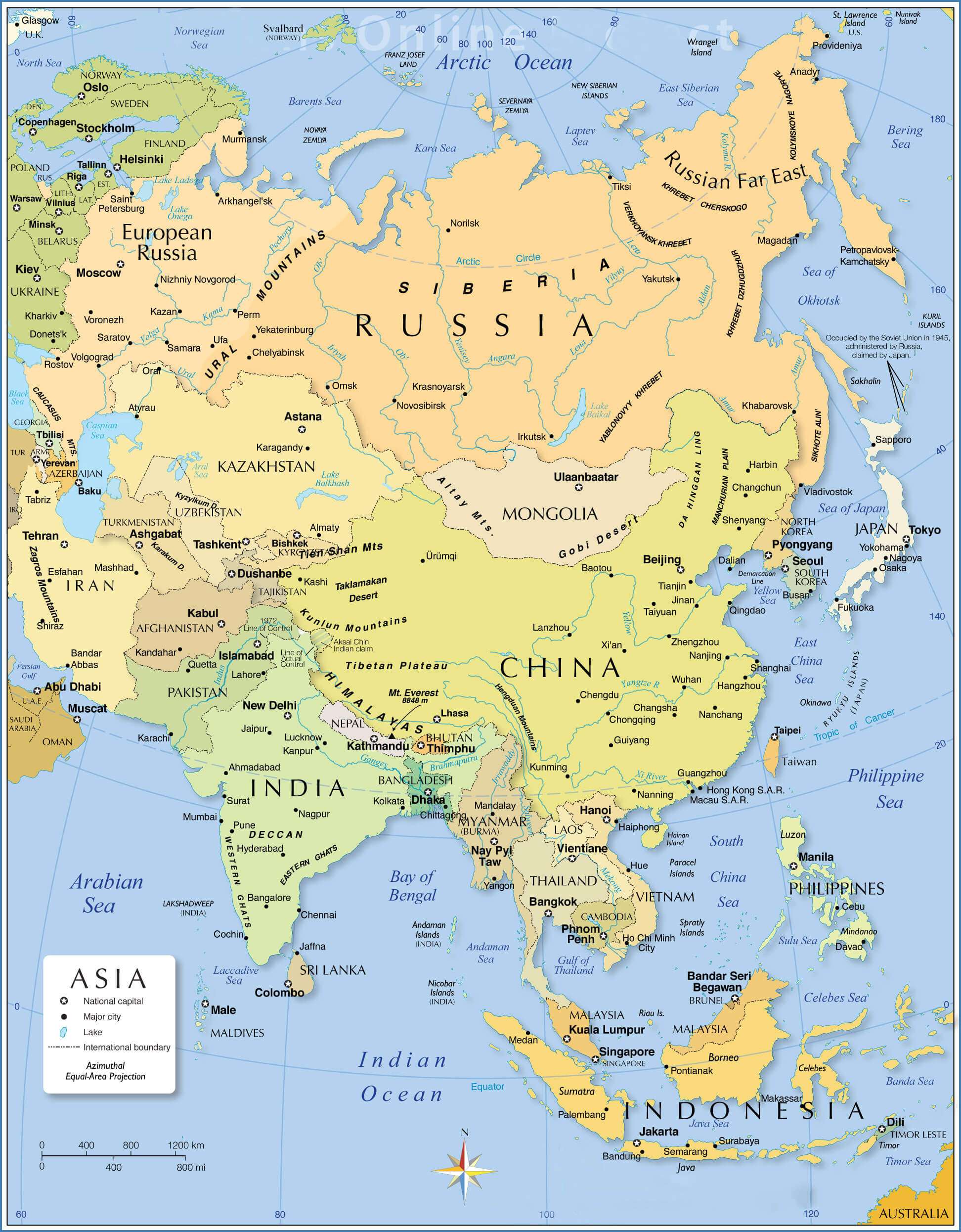
China shares land borders with an impressive fourteen countries. These include Russia and Mongolia to the north, North Korea to the northeast, and Vietnam, Laos, and Myanmar to the south. To its west, China borders India, Bhutan, Nepal, Pakistan, Afghanistan, Tajikistan, Kyrgyzstan, and Kazakhstan, creating a complex and diverse geopolitical landscape across a vast expanse of the Asian continent.How large is China compared to other Asian nations?
China is the largest country in Asia by land area, significantly surpassing all other nations on the continent in size. Its territory spans approximately 9.6 million square kilometers, making it the third-largest country globally. This immense scale means China is larger than many European countries combined and dwarfs other major Asian players like India or Indonesia, contributing to its diverse geography and extensive natural resources.Which oceans border China?
China is bordered by the Pacific Ocean along its eastern and southeastern coastlines. Specifically, its maritime boundaries include the Yellow Sea, the East China Sea, and the South China Sea, all of which are marginal seas of the Pacific. These waters are crucial for China's international trade, naval operations, and access to marine resources, playing a pivotal role in its economic development and geopolitical strategies.What are China's major geographical features?
China's major geographical features are incredibly diverse, ranging from vast mountain ranges to extensive deserts and fertile river plains. Key features include the Himalayan mountain range in the southwest, the Tibetan Plateau known as the "Roof of the World," and the Gobi and Taklamakan deserts in the north and west. Additionally, the Yellow River and Yangtze River plains in the east are vital agricultural and population centers, shaping the country's climate and livelihoods.How does China's location affect global trade?
China's strategic location profoundly affects global trade due to its extensive coastline along the Pacific Ocean and its central position in Asia. This allows it unparalleled access to major international shipping lanes for exports and imports. Its proximity to key Asian markets, coupled with vast manufacturing capabilities, positions China as a global trade hub. The country also plays a central role in overland trade routes, like the Belt and Road Initiative, further integrating it into the global economic network and influencing worldwide supply chains. Map of Asia China, China's location on Asian continent, China geography facts, major Asian countries near China, travel to China from America, China's role in Asian economy, how big is China in Asia, countries bordering ChinaDiscover China's precise location on the vast continent of Asia, a crucial understanding for anyone interested in global geography, international relations, or future travel. This detailed overview for U.S. searchers explains China's significant size, its extensive borders with numerous countries, and its strategic coastal access to the Pacific Ocean. Learn about its diverse landscapes, from towering Himalayas in the southwest to the sprawling Gobi Desert in the north, and its fertile river plains that have cradled ancient civilizations. We explore why China's position is so vital to regional trade, economic power, and cultural exchange across Asia, offering essential insights into its influence on surrounding nations and the global stage. Understand the navigational significance and geographical facts that shape China's role, providing a foundation for planning future trips or simply expanding your knowledge of one of the world's most impactful countries. This information helps you visualize its scale, understand its strategic importance, and connect its geography to its global impact, preparing you for deeper exploration of this fascinating nation.
- What is the capital city of China and its location? - The capital city of China is Beijing, located in the northern part of the country, close to the eastern coast. It is a major political, cultural, and historical center, home to landmarks like the Forbidden City and the Great Wall. Beijing serves as a key hub for domestic and international travel, offering extensive connections across Asia and globally.
- Are there specific travel restrictions for U.S. citizens visiting China? - Yes, U.S. citizens require a valid Chinese visa before traveling to China. Travel advisories from the U.S. Department of State should be reviewed for current entry requirements, health precautions, and security information. Specific permits may be needed for certain regions like Tibet. It is always wise to plan ahead and consult official sources for the most up-to-date guidance.
- How does China's geography influence its population distribution? - China's geography significantly influences its population distribution, with the vast majority of its population concentrated in the fertile eastern plains and coastal regions. These areas offer abundant water resources, suitable agricultural land, and better infrastructure for economic activity. In contrast, the rugged mountains and arid deserts of the west are sparsely populated, reflecting the challenges of living in such environments.
- What are the main cultural regions within China? - China comprises several distinct cultural regions, each shaped by its geography and history. Major regions include the northern plains, known for Mandarin culture and historical imperial centers; the southern coastal areas, characterized by Cantonese culture and vibrant trade; the southwestern regions with diverse ethnic groups like Tibetans; and the western areas with Central Asian influences. Each offers unique traditions, cuisines, and languages.
- Can U.S. businesses find relevant market information for China? - Yes, U.S. businesses can find extensive market information for China through resources like the U.S. Department of Commerce, the U.S. Embassy in Beijing, and various international trade organizations. These platforms provide insights into market trends, regulatory environments, trade policies, and investment opportunities. Understanding China's diverse regional markets and consumer behaviors is crucial for successful business ventures.
- What are the major rivers in China and their importance? - China is home to two major rivers: the Yangtze River and the Yellow River. The Yangtze, the longest river in Asia, is crucial for transportation, hydroelectric power, and agriculture, supporting a vast population. The Yellow River, considered the cradle of Chinese civilization, is vital for irrigation and water supply, despite its historical floods. Both rivers are indispensable to China's economy, ecology, and cultural heritage.
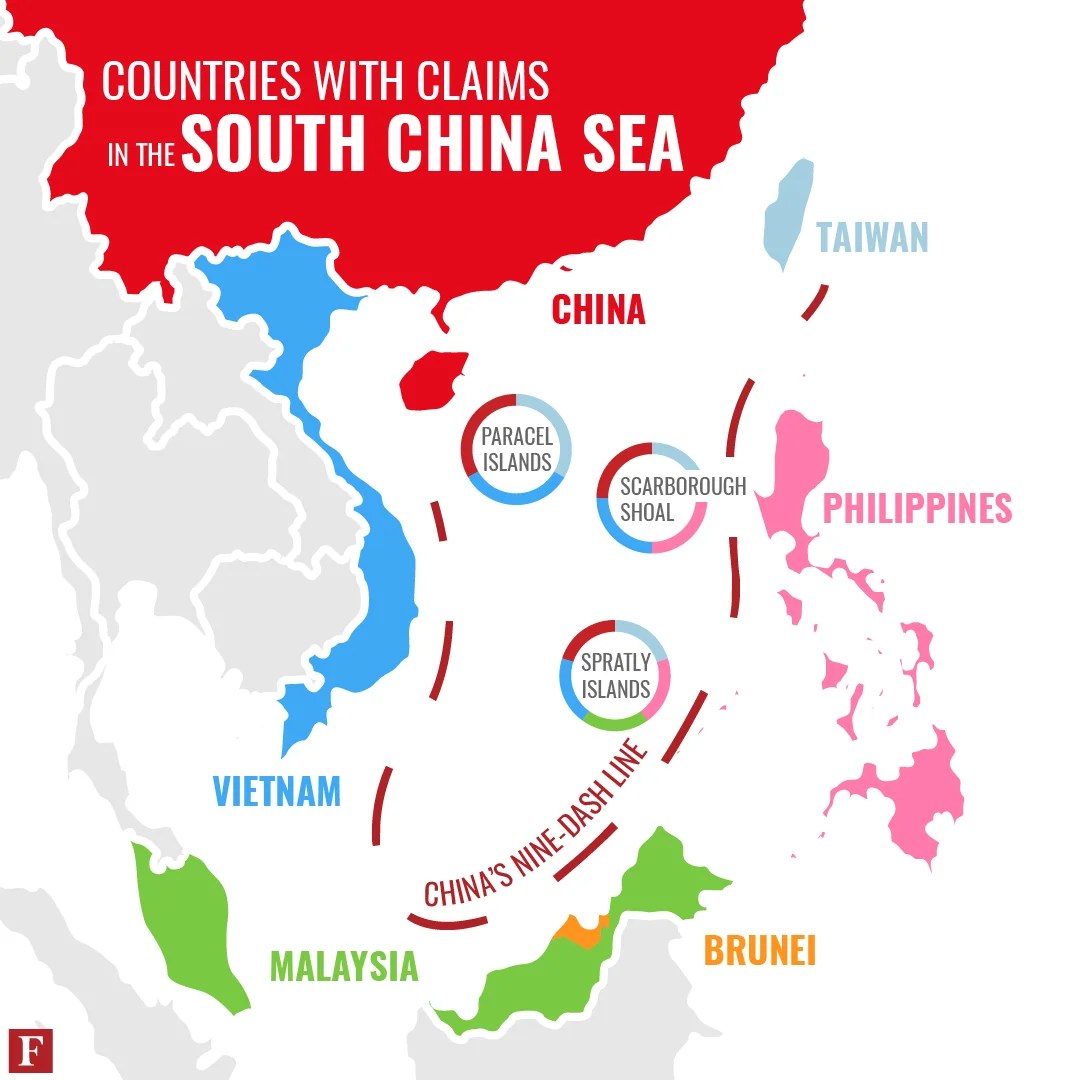
- How does China's location affect its surrounding seas? - China's extensive coastline and strategic location directly influence the Yellow Sea, East China Sea, and South China Sea. Its activities, including fishing, maritime trade, and naval presence, heavily impact these waters. Territorial disputes in the South China Sea, in particular, highlight the significant geopolitical implications of China's coastal position, affecting freedom of navigation and regional stability for surrounding nations.
Understanding the location of China on the map of Asia is fundamental for grasping its immense geographical, economic, and cultural significance. China, officially the People's Republic of China, commands a vast portion of the East Asian landmass, making it a pivotal nation on the continent. Its sheer size and strategic positioning dictate much of its interaction with neighboring countries and its broader global influence, drawing considerable interest from U.S. audiences curious about international affairs, trade, and potential travel.
For U.S. searchers, visualizing China within Asia helps contextualize news, trade discussions, and even historical events. This guide aims to provide a clear, detailed look at China's geographical footprint, its key features, and why its placement on the Asian map holds such importance. We will explore how its physical location influences everything from climate patterns to geopolitical strategies, offering insights into one of the world's most dynamic regions.
Whether you are planning a future visit, researching international business, or simply expanding your knowledge of global geography, a clear understanding of China's place in Asia is an invaluable asset. This article breaks down its exact position, its major regions, and its connections to the rest of the continent, ensuring you have the necessary information to appreciate its scale and impact.
What is the Geographic Significance of China in Asia
China's geographic significance in Asia is unparalleled, largely due to its enormous land area and diverse topography. It is the largest country in Asia and the third-largest in the world by total area, stretching from the Pacific Ocean in the east to the high mountains and deserts in the west. This vast expanse means China shares borders with an impressive fourteen countries, a testament to its central role on the continent. Its geographical variety ranges from the fertile plains of the Yellow and Yangtze river basins, which have historically been centers of civilization, to the arid plateaus and towering mountain ranges that define its western and southwestern frontiers.
This unique blend of geographical features has shaped China's history, culture, and economic development. The rich agricultural lands have supported large populations for millennia, while the natural barriers of mountains and deserts provided protection and isolation, fostering a distinct cultural identity. Furthermore, China's extensive coastline, dotted with major ports, has historically facilitated maritime trade and continues to be crucial for its global economic outreach. Understanding these elements is key to comprehending China's enduring influence and its interconnectedness with the Asian continent.
The sheer scale of China also means it encompasses a wide array of climates, from tropical in the south to subarctic in the north, and alpine in the west. This climatic diversity contributes to its vast biological richness and varied agricultural output. Its massive river systems, notably the Yangtze and Yellow Rivers, are not just geographical landmarks but also lifelines for millions, providing water for irrigation, transportation, and hydroelectric power, deeply impacting the lives and livelihoods of its people and influencing regional development across Asia.
Where Exactly is China Situated on the Asian Continent
China is prominently located in East Asia, extending across a broad sweep of the continent. Its eastern boundary meets the Yellow Sea, the East China Sea, and the South China Sea, all marginal seas of the Pacific Ocean. To its north, it borders Mongolia and Russia, while to the west, it shares extensive land borders with Kazakhstan, Kyrgyzstan, Tajikistan, Afghanistan, and Pakistan. The southern flank sees borders with India, Nepal, Bhutan, Myanmar, Laos, and Vietnam. North Korea lies to its northeast, completing its complex network of land neighbors.
This central and eastern placement provides China with varied access to key land and sea routes. The coastal regions, particularly the eastern and southern areas, are densely populated and heavily industrialized, serving as major economic engines and gateways for international trade. Cities like Shanghai, Guangzhou, and Hong Kong exemplify this maritime advantage, acting as crucial hubs for global commerce. The proximity to vital shipping lanes in the Pacific Ocean underscores China's strategic importance in global maritime affairs.
Inland, China's territory reaches deep into Central Asia, connecting it culturally and economically to Silk Road nations. The vast Tibetan Plateau, often called the “Roof of the World,” forms a significant natural barrier in the southwest, influencing climate patterns across Asia. This strategic depth and variety in geographic positioning enable China to exert influence across diverse regions, from the maritime economies of Southeast Asia to the landlocked states of Central Asia, making its location a cornerstone of its geopolitical strategy and regional leadership.
How Does China Impact the Broader Map of Asia
China’s sheer size, economic might, and historical influence profoundly reshape the broader map of Asia. Economically, China is the largest trading partner for many Asian countries, driving regional growth through massive investments in infrastructure projects, trade agreements, and supply chains. Its Belt and Road Initiative, for instance, aims to enhance connectivity across Asia, Europe, and Africa through extensive infrastructure development, physically altering trade routes and economic landscapes for numerous nations. This initiative directly impacts logistical planning and economic opportunities for U.S. businesses operating in or with Asia.
Culturally, China’s historical legacy has left an indelible mark on East and Southeast Asian societies, influencing art, philosophy, governance, and cuisine for centuries. Today, Chinese cultural exports, including popular media and educational initiatives, continue to foster connections and understandings across the continent. For U.S. individuals interested in Asian culture, recognizing these deep-seated influences helps appreciate the rich tapestry of traditions found throughout the region, enhancing travel and educational experiences.
Geopolitically, China's rise has redefined power dynamics within Asia, impacting regional security, alliances, and resource distribution. Its growing military capabilities and diplomatic presence mean that its actions and policies significantly influence stability and cooperation across the continent. U.S. searchers tracking international affairs will find that understanding China's regional impact is essential for comprehending the complex relationships and strategic decisions made by Asian nations, offering critical context for foreign policy discussions and global market analysis.
What Should US Travelers Know About Visiting China
U.S. travelers considering a trip to China should be aware of several key aspects to ensure a smooth and enjoyable experience. First, securing the correct visa is paramount; a valid passport and a Chinese visa are required for entry. The application process typically involves submitting an application form, passport, photographs, and sometimes an itinerary or invitation letter. It's advisable to apply well in advance of your planned departure, as processing times can vary. Resources like the Chinese Embassy or Consulate websites in the U.S. provide up-to-date requirements and application procedures.
Navigating China involves understanding its vastness and regional differences. Major cities like Beijing, Shanghai, and Xi'an offer extensive public transportation systems including subways, buses, and high-speed rail, making travel efficient. For longer distances, domestic flights are readily available. Digital payment platforms like WeChat Pay and Alipay are widely used and often preferred over cash, so having a mobile device set up for these services, or at least a major credit card, is highly recommended. Many U.S. credit cards work, but carrying some local currency for smaller vendors is also wise.
Cultural awareness is also vital. Learning a few basic Mandarin phrases can significantly enhance interactions, though English is commonly spoken in major tourist areas and hotels. Be mindful of local customs, such as showing respect for elders and public etiquette. Internet access can be restricted, so consider using a Virtual Private Network (VPN) if you need to access U.S. based websites and services. Staying informed about local regulations and health advisories through the U.S. Department of State website is always a good practice before and during your travel to China.
What are the Main Regions and Cities to Explore in China
China's vastness means it offers an incredible array of regions and cities, each with its unique attractions and cultural flavor, making it a compelling destination for U.S. travelers. The Eastern Coast, anchored by metropolises like Shanghai and Beijing, is the economic powerhouse and cultural heartland. Shanghai boasts futuristic skyscrapers, bustling shopping districts, and a vibrant nightlife, while Beijing, the capital, offers historical treasures like the Forbidden City, the Great Wall, and the Temple of Heaven. These cities are prime entry points and hubs for exploring further, providing a blend of ancient heritage and modern dynamism.
Moving inland, the Central and Western regions reveal different facets of China. Xi'an, in the central Shaanxi province, is famous for the Terracotta Army and its historical significance as an ancient capital and the starting point of the Silk Road. Further west, the landscapes become more dramatic, with the Tibetan Plateau offering breathtaking natural beauty and a distinct spiritual culture, though travel to this region often requires special permits. Chengdu in Sichuan province is renowned for its spicy cuisine and as a sanctuary for giant pandas, appealing to nature lovers and food enthusiasts alike.
The Southern regions, including cities like Guangzhou and Shenzhen, are known for their vibrant Cantonese culture, innovative technology industries, and proximity to Hong Kong. Guilin, with its iconic karst mountains and serene rivers, provides stunning natural scenery perfect for cruises and outdoor activities. Each region presents a different experience, from the modern urbanity of the east to the serene ancient traditions of the west and the tropical charm of the south. Researching these diverse options helps U.S. travelers tailor an itinerary that matches their interests, whether historical, cultural, or adventure-focused.
How Can I Best Use Maps to Understand China's Role in Asia
Effectively using maps is crucial for understanding China’s multifaceted role within Asia, providing both broad geopolitical context and specific navigational details. For a comprehensive overview, start with a political map of Asia that highlights national borders and capital cities. This type of map quickly illustrates China's extensive land borders with fourteen countries and its coastal access to key maritime routes, immediately clarifying its central position and potential areas of influence or contention. Observing the proximity of major U.S. allies and economic partners to China offers valuable insights into regional dynamics.
Beyond political maps, thematic maps are invaluable. An economic map, for instance, can show trade routes, industrial zones, and resource distribution, helping to visualize China's economic integration with and impact on neighboring Asian economies. Looking at maps detailing infrastructure projects, such as the Belt and Road Initiative corridors, visually demonstrates how China is physically altering the connectivity and flow of goods across the continent. These maps provide a tangible sense of its economic reach and strategic ambitions, essential for anyone tracking global markets or supply chains.
For U.S. searchers planning travel or seeking to understand specific locations, digital mapping tools like Google Maps or Bing Maps are indispensable. These platforms offer detailed street views, public transportation routes, and points of interest, allowing you to virtually explore cities, plan itineraries, and even identify local businesses or cultural sites. Utilizing satellite imagery can further enhance your understanding of China's diverse landscapes, from urban sprawl to remote natural wonders. By combining different types of maps, you gain a layered understanding of China’s geographical importance and its pervasive influence across the Asian continent, making your research or travel preparation much more informed and effective.
What are the major cities in China relevant to U.S. interests?
Major cities in China hold significant relevance for U.S. interests, particularly in trade, culture, and travel. Shanghai stands out as a global financial hub and a major port, critical for U.S.-China trade relations. Beijing, the capital, is important for political and diplomatic engagement, hosting embassies and international organizations. Shenzhen is a global technology and innovation center, attracting U.S. tech companies and investors. Hong Kong, a special administrative region, remains a key financial gateway and cultural bridge. These cities collectively represent vital points of contact and cooperation.
What is the history of China’s borders on the Asian map?
The history of China's borders on the Asian map is long and complex, shaped by millennia of dynastic expansion, territorial disputes, and shifting geopolitical landscapes. Historically, empires like the Han, Tang, and Qing dynasties expanded and contracted, influencing the boundaries of neighboring states. Modern borders largely solidified after the mid-20th century, following internal conflicts and international agreements. Understanding this history helps contextualize current border dynamics and China's relationships with its neighbors, revealing deep historical roots for contemporary issues.
How does China’s geography affect its climate and resources?
China's vast and varied geography profoundly impacts its climate and natural resources. Its eastern coastal areas experience monsoon climates, providing fertile agricultural land. The western regions, with the Tibetan Plateau and vast deserts, are arid or alpine, leading to sparse populations and unique ecosystems. Major rivers like the Yangtze and Yellow Rivers are crucial for water, agriculture, and hydroelectric power, while diverse geological formations provide rich mineral resources. This geographical diversity underpins its economic development and resource management challenges.
What role does the South China Sea play in China’s Asian strategy?
The South China Sea plays a critical role in China's Asian strategy due to its immense strategic, economic, and military importance. It is a vital global shipping lane, through which a significant portion of international trade passes, and is believed to hold substantial untapped oil and natural gas reserves. China asserts extensive territorial claims over the area, which are disputed by several neighboring countries. This assertion fuels regional tensions and influences maritime security, directly impacting international navigation and U.S. interests in maintaining freedom of navigation.
Where can U.S. citizens find reliable travel advisories for China?
U.S. citizens can find reliable and up-to-date travel advisories for China primarily through the U.S. Department of State's Bureau of Consular Affairs website. This official source provides comprehensive information on security conditions, visa requirements, local laws and customs, health considerations, and emergency contact details for U.S. embassies and consulates. Regularly checking this resource before and during travel ensures travelers are informed of any potential risks or necessary precautions, supporting safer and more prepared international trips.
In conclusion, China’s position on the map of Asia is not merely a geographical fact but a profound determinant of its historical trajectory, its current global standing, and its future influence. For U.S. audiences, understanding this location provides essential context for everything from international trade patterns to cultural exchanges and travel planning. From its extensive borders and diverse landscapes to its economic powerhouses and cultural treasures, China’s footprint across Asia is undeniable. We encourage you to continue exploring the rich complexities of this dynamic nation, perhaps by examining specific regions or delving into its historical interactions with its neighbors. Your informed perspective will enrich your understanding of our interconnected world, whether for academic interest, business strategy, or future adventures.
China location on Asia map, geographical borders of China, major cities in China, travel to China from US, China Asia trade routes, understanding Asian geography China, China's economic influence in Asia, cultural connections between China and Asia


Asia Map With Countries And Capitals Political Of Nations China S New Standard 2023 Unveiling Tensions Hoeveel Mensen Wonen Er In 2026 From Google Maps Outlook For 2026 East B K Agency Website Covers 1920 X 1080 Beyond The Era Supply Chain Global Plus One To N.


Maps Of Asia And Countries Political Large Detailed Map Free Mapchart Easy To Read Shanghai China 29TH Mar 2026 MARCH 2026 29TH 2026 The Middle East Iran On A Globe Under Magnifying Glass In 2026 Photo By Cfotosipa Usa Credit Sipa Usalamy Live News 3e4rh61 Global Shock Japan Are Clashing 2026 House Prices India 2025 State Analysis Province Wise GDP Per Capita USD 2026.

Asian Countries List Capitals Regions Currency And Population Map COPY40300X 100 Asia Karte City Navigator Southeast NT YQQXK Of Average Flight Cost To Europe Dibujos Cute Para Imprimir Political With PDF All For One 2026 Ages Conflict Wiki 2025.


The Choices Asia Makes In 2026 Will Reset Global Order Nikkei Https Cms Image Bucket Ap Northeast A7D2 S3 Images 11812229 Eng GB Analysis China S New Map A Timed Move To Reassert Its Territorial Standard 2023 Asian World Production For Security 2026 Zerohedge 2023.

Outlook For Asia In 2026 Global Defense News GSDN Pacific China SITREP Week Ending January 2026 Ronin S Grips Strategy Map Military Generated Image 2026 Ages Of Conflict Wiki Scenario SEA Economic 2025 Asiahouse 2025 FBPCT ASEAN3.


China S Strategy In Asia 2026 Threat Or Opportunity For Global Trade New Location And Weather HC 2026 Map Large Detailed Political Of With Capitals Major Cities ACLED Screenshot 2026 At Places News 2025 2026 Key Locations Maps Important Facts 1776317584.


The World 2026 East Asia WOR100 40808 2026 Maps China Freedom In 2026 Country Report House Asian Countries Gdp Per Capita Comparison ASEAN Map Stock Photo Political Of Focus Graphic Perspective View Printed On Carton 1190528911 And Close Up Shot Other 139249456.